
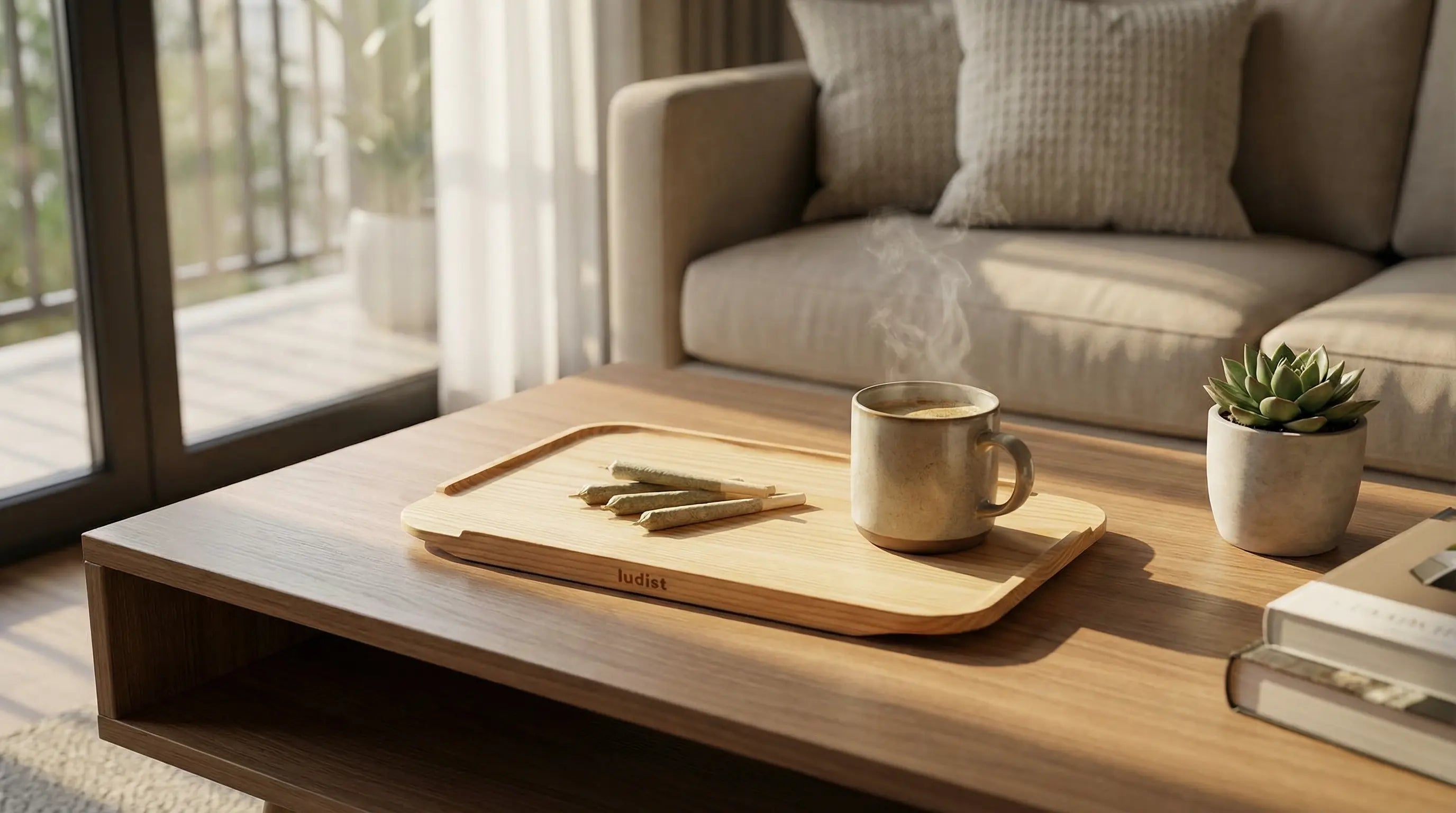
Coffee and Weed: The Science and Effects of Mixing Them
Coffee and weed has become one of the most popular morning combinations among cannabis users. I started mixing my morning espresso with a small amount of cannabis about two years ago, and the experience completely changed how I approached my creative work. Some days felt perfect with sharp focus and calm energy. Other days left me jittery and unfocused. That inconsistency made me dig into the science behind why this combination works so differently for different people, and even for the same person on different days.
Mixing these two substances creates effects that neither produces alone. The combo influences your brain chemistry in unexpected ways. This guide breaks down how caffeine and cannabis interact, what research shows about their effects, potential risks and benefits, and practical tips for anyone curious about trying this combination. You'll learn why timing, dosage, and strain selection all matter when combining coffee and weed.
Coffee and Weed: How Caffeine and THC Interact
Coffee and weed work through completely different brain systems, but both mess with chemicals that affect how you think and feel.
Caffeine blocks adenosine receptors in your brain. Adenosine makes you feel tired, so blocking it keeps you alert and energized. At the same time, caffeine bumps up dopamine and norepinephrine, which boost mood and focus.
THC from cannabis activates your endocannabinoid system by binding to CB1 receptors. This changes perception, mood, memory, and sometimes motor control. Both substances increase dopamine, which is where things get interesting.
Studies show caffeine doesn't just sit alongside THC without interaction. A 2012 animal study found that caffeine actually makes THC's memory impairment worse, not better. Low doses of THC that barely affected memory became problematic when combined with caffeine. The rats showed memory deficits equal to much higher THC doses when caffeine was added.
Another study with squirrel monkeys revealed that low doses of a caffeine-like compound made THC feel more rewarding. The monkeys needed less THC to get the same effect. But at higher caffeine doses, they took more THC, likely trying to compensate because the caffeine dulled the high.
These findings suggest mixing coffee and weed creates unpredictable dose-dependent effects. The interaction happens in areas where adenosine and cannabinoid receptors overlap, particularly in the hippocampus, where both systems regulate memory and cognition.
Smoking Weed and Drinking Coffee: The Classic Wake and Bake
Smoking weed and drinking coffee together has been a morning ritual for decades, often called the hippie speedball.
The appeal is obvious. Coffee provides energy and alertness while cannabis offers relaxation and creativity. Together, they create what many describe as an alert high or balanced buzz. You feel awake enough to function but relaxed enough to enjoy the moment.
I usually grind my cannabis with a top weed grinder before brewing coffee. The ritual itself matters almost as much as the substances. Taking time to prepare both of them properly is directly proportional to how your experience unfolds.
The combinatio

n works differently depending on when you consume each. Drink coffee first, and the caffeine kicks in within 15 minutes. Smoke cannabis immediately after, and both substances peak around the same time.
This creates a more intense but shorter-lived effect.
Some people prefer spacing them out by 20 to 30 minutes. This allows you to gauge how each substance affects you individually before the effects overlap. You can adjust doses more easily this way.
Strain selection matters too. Pairing coffee with a heavy indica creates very different effects than pairing it with an energizing sativa. Understanding what good weed looks like helps you pick quality flower that delivers consistent effects.
Is Coffee and Weed a Bad Combo? Understanding the Risks
Is coffee and weed a bad combo? For some people, yes. For others, it works perfectly.
The main risk is overstimulation. Both caffeine and THC increase heart rate and can trigger anxiety. Combine them, and those effects may compound. People prone to anxiety or panic attacks should approach this combination cautiously or avoid it entirely.
Memory impairment is another concern. Research shows caffeine worsens the memory deficits caused by low doses of THC. If you need to remember things or perform tasks requiring short-term memory, mixing these substances probably isn't ideal.
The combination also affects judgment. You might feel more alert than you actually are, leading to overconfidence in your abilities. Never drive or operate machinery after consuming both substances.
Regular use could increase tolerance and dependence on both. Caffeine is already addictive for many people. Adding cannabis to your daily coffee routine might make it harder to function without either substance.
Individual chemistry plays a huge role. Some people handle high doses of both with no issues. Others get jittery and paranoid from small amounts. Your tolerance to each substance, your body weight, your stress levels, and even what you ate that day all influence how the combination affects you.
Mixing Coffee and Weed: Dosage and Timing Guidelines
Mixing coffee and weed requires more attention to dosage and timing than using either substance alone.
Start with lower amounts of both. If you normally drink two cups of coffee, try one. If you usually smoke a full joint, try half. The combination amplifies effects, so less of each often produces the same intensity you'd get from more of one.
Timing changes everything. Here's what I learned through trial and error:
Same time consumption: Drinking coffee and smoking simultaneously creates the most intense peak. Effects hit harder but fade faster. This works well for short activities or when you want a strong but brief boost.
Coffee first, cannabis second: Wait 15 to 30 minutes after coffee before consuming cannabis. The caffeine provides a stable baseline of alertness before the THC hits. This tends to create more balanced effects.
Cannabis first, coffee second: Some people prefer getting slightly high before drinking coffee. The cannabis relaxes you, then the coffee adds focus without overwhelming your system. This method works well for creative tasks that need both relaxation and concentration.
Pay attention to caffeine content. A shot of espresso contains about 65mg of caffeine. A large drip coffee can have 200mg or more. That's a massive difference in how the caffeine interacts with THC.
Cannabis potency varies widely, too. Knowing how to use a weed grinder properly helps create consistent doses. A finely ground flower burns more evenly and delivers more predictable effects than hand-broken chunks.
Coffee and Weed Effect: What to Expect
Coffee and weed effect ranges from productive euphoria to anxious overstimulation, depending on multiple factors.
Most people report feeling alert yet relaxed. The caffeine provides mental clarity while the THC takes the edge off anxiety and adds creative thinking. Colors might seem brighter. Music sounds better. Conversation flows more easily.
Others experience the opposite. The stimulating effects clash rather than complement. You might feel wired but foggy, energized but unable to focus, awake but unmotivated.
Physical sensations vary, too. Some people notice an increased heart rate. Others report dry mouth that's worse than cannabis or coffee alone. A few experience mild headaches, especially if they're not well hydrated.
The environment matters. Consuming this combination in a quiet, comfortable space tends to produce better results than doing it in a busy or stressful setting. Your mindset going in also influences the outcome.
Terpenes in your cannabis strain interact with caffeine in different ways. Limonene, which creates citrus scents, tends to boost mood and reduce stress. It pairs well with coffee's stimulating effects. Myrcene, which smells earthy and musky, creates more sedating effects that might balance caffeine differently.
Learning about the best terpenes is something to consider because it’s so helpful if you want to choose strains that counterbalance caffeine's intensity.
Coffee and Weed in the Morning: Building a Sustainable Routine
Coffee and weed in the morning works best as an occasional treat rather than a daily habit for most people.
I limit this combination to weekends or days when I'm doing creative work from home. Using it daily built up my tolerance quickly. After about three weeks of morning sessions, I needed more of both substances to feel the same effects. Taking regular breaks resets your tolerance and keeps the experience special.
Morning consumption requires planning. Know your schedule before combining these substances. Don't commit to important meetings or tasks that demand peak cognitive performance. The combination works great for creative projects, household tasks, or leisure activities. It doesn't work well for anything requiring precise memory or quick decision-making.
Proper storage keeps your cannabis fresh for consistent morning rituals. I learned this after smoking stale flower that had been sitting in a plastic bag for weeks. The effects were weak, and the entire experience was frankly unpleasant. Since then, I decided to store all of my cannabis in one of the best stash jars I picked last year so I can maintain freshness and potency.

Hydration matters more when you combine coffee and weed because both coffee and cannabis dehydrate you. Keep water nearby and drink it regularly throughout your session. This reduces headaches, dry mouth, and general discomfort.
Note: Eat something before or shortly after consuming. An empty stomach intensifies effects in unpredictable ways. Light protein and complex carbs help stabilize your blood sugar and create more consistent experiences.
Weed and Coffee Benefits: Why People Mix Them
Weed and coffee benefits explain why this combination has remained popular for decades despite inconsistent effects.
Enhanced creativity
Enhanced Creativity tops the list for many users. The caffeine sharpens focus while THC loosens rigid thinking patterns. This combination helps some people generate new ideas, make unexpected connections, and approach problems from fresh angles. Artists, writers, and musicians often report their best work comes during these sessions.
Balanced Energy
Balanced energy attracts people who find coffee too jittery or cannabis too sedating. The substances counterbalance each other's extremes when dosed correctly. You get alertness without anxiety and relaxation without drowsiness.
Reduced Cannabis Consumption
Reduced cannabis consumption happens for some users because caffeine seems to enhance THC effects. You might need less weed to achieve your desired level, which saves money and reduces tolerance buildup. This is why you might want to consider picking one of the best weed grinders so you can measure and control doses more precisely for consistent results.
Pain Relief with Functionality
Pain relief with functionality appeals to medical cannabis users. THC manages pain while caffeine maintains enough alertness to function throughout the day. This balance beats the heavy sedation some people experience from cannabis alone.
Social enhancement makes gatherings more enjoyable for certain personality types. The combination can lower social anxiety while maintaining enough energy to engage in conversations and activities.
Individual responses vary dramatically. What one person experiences as perfect productivity might leave someone else unable to focus. What feels like balanced relaxation for you might make your friend paranoid.
How Coffee and Weed Work: The Neurochemistry Explained
How coffee and weed work together involves complex interactions between different neurotransmitter systems.
Caffeine's primary mechanism is blocking adenosine receptors. Adenosine accumulates in your brain throughout the day and eventually makes you sleepy. When caffeine blocks its receptors, adenosine can't do its job. You stay awake and alert even as adenosine levels rise.
This blockade has downstream effects. It increases dopamine signaling in areas of the brain associated with pleasure and reward. It also boosts norepinephrine, which heightens alertness and prepares your body for action.
THC works through the endocannabinoid system. Your body produces its own cannabinoids called endocannabinoids. These bind to CB1 and CB2 receptors throughout your nervous system. THC mimics these natural compounds but creates stronger and longer-lasting effects.
The key interaction point is the hippocampus. This brain region has high densities of both adenosine and cannabinoid receptors. It plays crucial roles in memory formation and spatial navigation. When both caffeine and THC are present, they compete for influence over the same neural pathways.
Research suggests caffeine doesn't simply reverse THC's effects or vice versa. Instead, they create novel patterns of neural activity that neither substance produces independently. This explains why the combination feels different from taking either drug alone.
A 2018 study found that coffee consumption reduces natural endocannabinoid levels in the blood. This suggests regular caffeine use might change how your body responds to cannabis. Heavy coffee drinkers might need more THC to feel effects, or they might experience cannabis differently than occasional coffee users. Storing your cannabis properly in a best stash jar preserves cannabinoid potency and terpene profiles for more predictable effects.
Is It Safe to Smoke Weed and Drink Coffee? Medical Considerations
Is it safe to smoke weed and drink coffee? For most healthy adults, occasional use appears relatively safe. But several factors increase risk.
No documented deaths have resulted directly from combining these substances. This doesn't mean the combination is without danger. Both increase heart rate and blood pressure. People with heart conditions, high blood pressure, or anxiety disorders face higher risks.
Pregnancy and breastfeeding are absolute contraindications. Both caffeine and THC cross into breast milk and can affect fetal development. Anyone who is pregnant or nursing should avoid this combination entirely.
Mental health conditions require extra caution. The combination can worsen symptoms of anxiety disorders, bipolar disorder, and schizophrenia. People with these conditions should consult their doctors before combining caffeine and cannabis.
Medication interactions present another concern. Many prescription drugs interact with caffeine, cannabis, or both. Antidepressants, blood thinners, and medications for heart conditions all require special consideration.
Age matters too. Teenagers and young adults have developing brains that are more vulnerable to cannabis-related cognitive effects. Adding caffeine to the mix doesn't reduce these risks and might amplify them. If you have children or teens at home, keeping cannabis secured in a best stash box with a lock is essential for safety.

Coffee and Smoking Weed: Method Comparison
Coffee and smoking weed represents just one way to combine these substances. Different consumption methods create different experiences.
Smoking or vaping delivers THC almost instantly. You feel the effects within minutes. This quick onset makes it easy to control your dose. Take a puff, wait a few minutes, see how you feel, then decide if you want more. The effects peak around 30 minutes and fade within 2 to 3 hours. Having a top-quality rolling tray keeps your preparation organized and helps prevent waste when portioning out doses.

Edibles create a completely different experience. THC must pass through your digestive system and liver before entering your bloodstream. This takes 30 minutes to 2 hours. The effects last much longer, often 6 to 8 hours or more.
Combining edibles and coffee requires careful planning. The coffee hits first. You feel alert and caffeinated. The edible is still processing. An hour later, the edible kicks in hard while you're still buzzed on caffeine. This delayed onset catches people off guard. They think the edible isn't working, take more, then get overwhelmed when both doses hit.
Cannabis-infused coffee products combine both substances in a single beverage. These typically use THC oil or tincture added to regular coffee. The effects resemble edibles more than smoking because you're consuming rather than inhaling the THC.
Starting with low doses is crucial with infused coffee. A standard serving contains 5 to 10mg of THC. First-time users should start with 2.5mg or less. Wait at least 2 hours before consuming more.
Coffee and Weed vs Coffee and Cigarettes: A Cultural Comparison
This comparison highlights interesting parallels in substance pairing traditions.
Coffee and cigarettes dominated mid-20th-century culture. Diners, offices, and homes all featured ashtrays next to coffee cups. The combination provided stimulation from both substances. Nicotine and caffeine are both stimulants that create alertness and slight euphoria when combined.
Coffee and weed serves a similar cultural function in communities where cannabis is legal and socially acceptable. Both combinations involve ritual preparation, social bonding, and enhanced sensory experiences.
Key differences exist, though.
Cigarettes contain nicotine plus hundreds of toxic compounds from tobacco combustion. Cannabis contains THC and other cannabinoids with different effects and risks. Cigarettes are highly addictive and cause serious health problems with regular use. Cannabis addiction potential is lower, though dependency can develop.
The social contexts differ too. Cigarette smoking happens throughout the day in many settings. Cannabis consumption typically occurs in private spaces or designated areas. Coffee and cigarettes became normalized in professional environments. Coffee and weed remains largely confined to personal time and recreational settings.
Understanding weed legalization helps explain these cultural shifts. As cannabis laws change, the social norms around combining it with other substances evolve too.
Iced Coffee and Weed: Temperature and Timing
Iced coffee and weed creates a different experience than hot coffee and cannabis.
Temperature affects caffeine absorption. Cold beverages slow down how quickly caffeine enters your bloodstream. Iced coffee takes longer to hit compared to hot coffee. This delayed onset can actually help balance the effects when combined with fast-acting smoked cannabis.
I prefer iced coffee during summer sessions. The cold beverage feels refreshing and helps counteract any dry mouth from cannabis. Hot coffee during cannabis consumption sometimes intensifies dehydration and makes me uncomfortably warm.
Iced coffee also encourages slower consumption. You sip it gradually over 30 to 60 minutes rather than gulping hot coffee quickly. This extended timeline spreads out the caffeine dose and creates more gradual, sustained effects when paired with cannabis.
Cold brew contains higher caffeine concentrations than regular iced coffee. A typical cold brew has about 200mg of caffeine per 16 ounces compared to 165mg in regular iced coffee.
Factor this into your dosing decisions.
Coffee and Weed Name: Understanding the Hippie Speedball
Coffee and weed name most commonly used is the hippie speedball, a playful reference to a much more dangerous drug combination.
A traditional speedball mixes cocaine and heroin. The cocaine provides intense stimulation, while the heroin adds euphoria and sedation. This combination is extremely dangerous and has caused numerous DEATHS.
The term hippie speedball emerged during the counterculture movement of the 1960s and 70s. Cannabis enthusiasts borrowed the speedball terminology but applied it to their much safer combination of coffee and weed. The name stuck because it captures the push-pull dynamic of mixing a stimulant with a depressant.
Other terms exist, too.
Some people call it a Seattle speedball, referencing that city's coffee culture and progressive cannabis laws. Portland speedball works the same way. Wake and bake describes the practice without referencing the speedball terminology.
The playful naming reflects how cannabis culture approaches substance use differently than harder drug cultures. There's self-awareness and humor rather than glorification of danger.
Does Coffee and Weed Go Well Together? Personal Factors That Matter
Does coffee and weed go well together depends entirely on your individual physiology, tolerance, and preferences.
Caffeine sensitivity is the first factor to consider. If you get jittery from a single cup of coffee, adding cannabis probably won't fix that. The combination will likely amplify anxiety rather than create balanced effects.
Cannabis tolerance matters just as much. Regular users handle THC very differently than occasional consumers. Someone who smokes daily might need significantly more cannabis when pairing it with coffee compared to someone who uses once a month.
Anxiety baseline predicts how well you'll respond. People with naturally low anxiety often enjoy this combination. Those with anxiety disorders or high stress levels may find it makes their symptoms worse.
Time of day influences results more than most people realize. Morning sessions tend to work better because your cortisol and energy levels are naturally higher. Evening sessions might feel too stimulating and interfere with sleep.
Setting and activity shape your experience. This combination works great for creative hobbies, light exercise, or relaxed socializing. It works poorly for activities requiring sustained focus, precise memory, or quick reactions.
Track your experiences in a journal. Note the amount of each substance, the timing, the strain of cannabis, and how you felt. Patterns emerge after a few sessions that help you dial in your optimal combination.
Mixing Coffee and Weed Safely: Practical Guidelines
Mixing coffee and weed safely requires preparation and mindfulness.
Stay hydrated before, during, and after. Both substances dehydrate you. Keep water nearby and drink regularly. Aim for at least 8 ounces of water for every cup of coffee consumed.
Eat appropriately. Never combine these substances on a completely empty stomach. Light protein and complex carbohydrates create the best foundation. Heavy meals right before consumption can slow absorption and create uncomfortable full feelings.
Know your limits with each substance individually before combining them. If you don't know how your body responds to different coffee amounts, experiment with coffee alone first. Same with cannabis.
Start smaller than you think you need. First-time combinations should use about half your normal amount of each substance. You can always add more later. You can't undo taking too much.
Avoid driving or operating machinery. Even if you feel fine, your reaction time and judgment are impaired. Plan to stay put for at least 3 to 4 hours after combining these substances.
Have CBD available. If you get too high or anxious, CBD can help counteract THC's psychoactive effects. Keep some on hand as a safety measure.
Lastly, store your cannabis properly between sessions. Our Ludist Stash Box keeps your flower fresh and completely smell-proof, which ensures consistent potency for every session without odor concerns.
Coffee and Weed Effect on Productivity and Focus
Coffee and weed effect on productivity is highly individual and task-dependent.
Some people report that their most productive and creative work happens during these sessions. The caffeine provides drive and alertness while the THC removes mental blocks and enables lateral thinking. Tasks that benefit from this combination include:
● Creative writing
● Brainstorming sessions
● Art projects
● Music practice
● Household cleaning
● Light exercise
● Social gatherings
Other types of work suffer when you combine these substances. Anything requiring sustained focus, precise memory, or quick problem-solving typically doesn't go well. Avoid this combination when you need to:
● Study for exams
● Work with numbers or data
● Drive or operate equipment
● Make important decisions
● Attend meetings
● Complete time-sensitive tasks
I use this combination strategically. Weekend mornings when I'm writing creatively? Perfect! Weekday mornings before client calls? Absolutely not. Understanding your own productivity patterns with and without these substances helps you use them intentionally rather than habitually.
Our guide on weed and productivity explores this topic in more depth with specific strategies for different work styles and cannabis types.
Green Tea and Weed: A Gentler Alternative
Green tea and weed offers a milder version of the coffee and cannabis combination.
Green tea contains about 25 to 50mg of caffeine per cup compared to 95mg in regular coffee. This lower dose creates subtler stimulation that pairs more gently with THC. You get some alertness without the jittery intensity that can come from coffee.
Green tea also contains L-theanine, an amino acid that promotes relaxation without drowsiness. This compound has calming effects that may help balance cannabis' potential to cause anxiety. The combination of L-theanine, caffeine, and THC creates what many describe as focused calm.
Matcha, a concentrated form of green tea, provides more caffeine and L-theanine than regular green tea. One cup of matcha contains roughly 70mg of caffeine and higher concentrations of beneficial compounds. This makes it a middle ground between regular green tea and coffee.
I switched to green tea for afternoon sessions after finding coffee too stimulating later in the day. The gentler lift works better when I want to stay productive without feeling wired.
Caffeine and Cannabis: Research Gaps and Future Studies
Caffeine and cannabis research remains limited despite how commonly people combine these substances.
Most studies use animals rather than humans. Rats and monkeys respond differently to drugs than people do. The findings provide important clues, but can't tell us exactly how humans respond.
Dosing in studies often doesn't reflect real-world use. Researchers use specific controlled amounts that might be higher or lower than what people actually consume. The route of administration differs, too. Studies might inject THC while most people smoke or eat it.
Individual differences get overlooked in small studies. Genetics, tolerance, body weight, metabolism, and psychological factors all influence drug effects. Small studies can't account for all this variation.
Funding and legal restrictions have historically limited cannabis research. As more places legalize cannabis, research opportunities are expanding. Hopefully, the next decade brings better human studies on this specific combination.
Questions that need answers include:
● How do different THC-to-CBD ratios interact with caffeine?
● What are the long-term effects of regular combined use?
● How do terpenes influence the interaction?
● What are the optimal doses and timing for different goals?
● Who is most at risk for negative effects?
Until we have better research, approach this combination cautiously and pay attention to your own responses.
Weed and Coffee Together: Building Your Perfect Ritual
Weed and coffee together works best as a mindful ritual rather than a mindless habit.
Create a comfortable space for your sessions. I use a specific corner of my home with good lighting, comfortable seating, and easy access to water and snacks. Having a dedicated space signals to your brain that this time is special and intentional.
Prepare your coffee deliberately. Whether you use a pour-over, French press, or espresso machine, taking time with the process builds anticipation and helps you consume more mindfully. Rushing through preparation often leads to rushing through consumption, which increases the chance of overdoing it.
Grind your cannabis fresh for each session. Pre-ground flower loses potency and flavor quickly. The Ludist Grinder turns this step into a pleasure with its buttery-smooth twist and precision-cut teeth that deliver a cloud-like grind EVERY TIME.
Set an intention before consuming. What do you want to accomplish during this session? How do you want to feel? What activities do you plan to do? Answering these questions helps you dose appropriately and use the experience purposefully.
Use quality tools and storage. Cheap grinders leave metal shavings in your flower. Poor storage containers let your cannabis dry out or get contaminated. Investing in proper equipment improves the entire experience and shows respect for the substances you're consuming.
The Ludist Grinder combines precision engineering with thoughtful design to elevate your preparation ritual. Its aircraft-grade aluminum construction and cloud-like grind create consistent results every time.

Leave a comment
This site is protected by hCaptcha and the hCaptcha Privacy Policy and Terms of Service apply.