
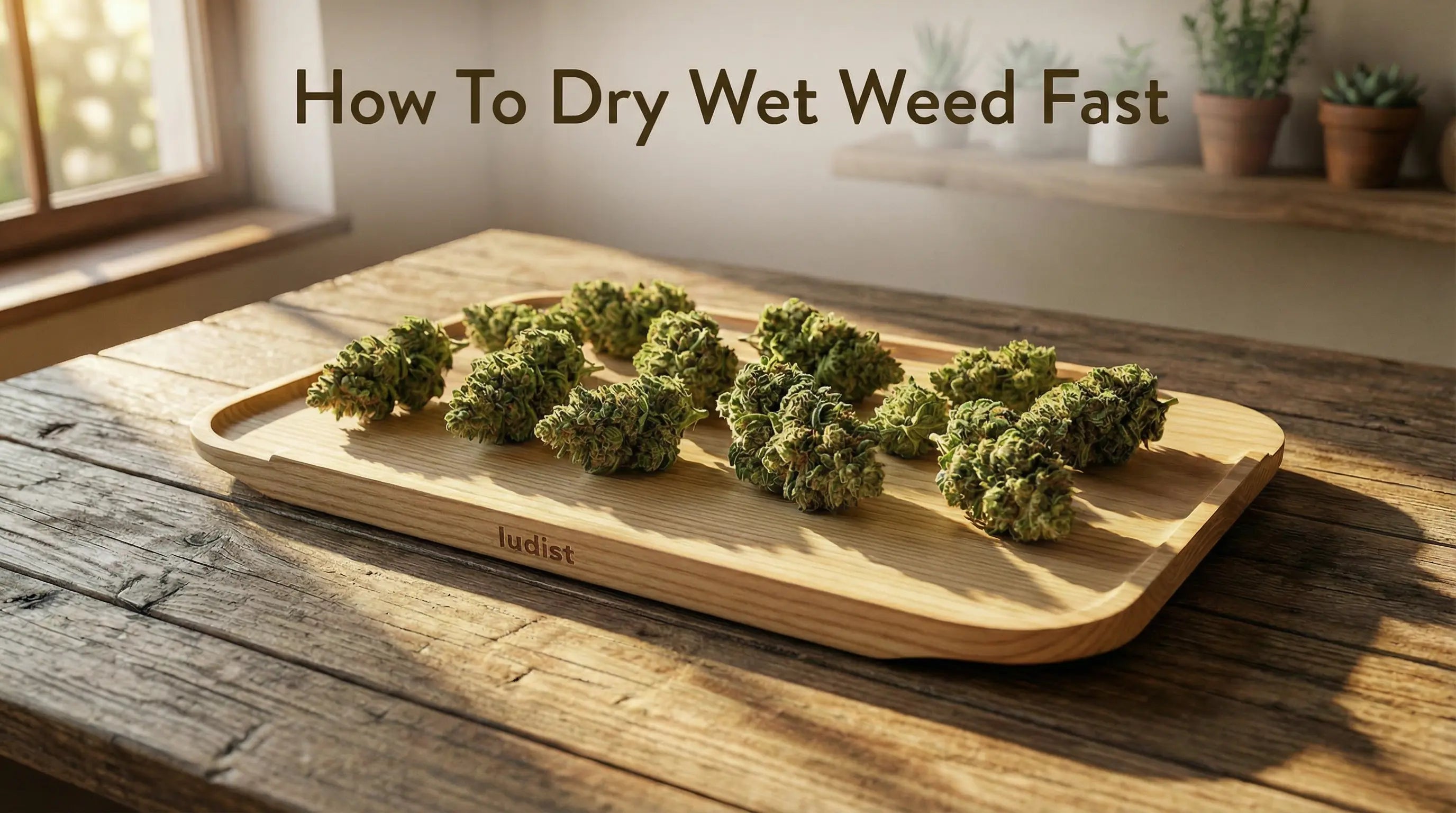
How to Dry Wet Weed Fast: Save Your Premium Stash Before it Gets Totally Ruined
Most smokers believe that knowing how to dry wet weed is all about salvaging a spill. In reality, it was always more about preserving your investment and keeping mold from destroying everything. Wet cannabis creates the perfect conditions for contamination, and you've got maybe 24-48 hours before things go wrong. The difference between saving your stash and tossing it comes down to acting fast and using the right method.
I learned this the hard way when my roommate knocked over a water bottle onto my quarter ounce. I panicked, grabbed paper towels, and immediately made three mistakes that almost cost me the whole batch. What saved it was understanding moisture dynamics and knowing which shortcuts actually work versus which ones just ruin your weed faster.
How to Dry Wet Weed? This is The Core Method..
The paper towel method works for most situations when your weed gets damp. Spread your cannabis across clean paper towels in a single layer, which ensures that buds don't touch each other. Place the towels in a dark, well-ventilated spot away from direct heat or sunlight. Rotate the buds and replace wet towels every 3-4 hours.
This takes patience. Lightly damp flowers might dry in 24 hours, while thoroughly soaked buds can take 48-72 hours. The key is airflow without heat. A small fan pointed near (but not directly at) your setup speeds things up without degrading cannabinoids.
Check for mold every time you rotate. White fuzz, gray patches, or a musty smell mean that the bud is done. Toss it immediately because smoking moldy cannabis can cause serious respiratory problems.
When learning how to dry out wet weed fast, you can also use a stash jar for the final 6-8 hours once the surface moisture is gone. The controlled environment helps finish the process while protecting what you've saved. Just don't seal wet weed in anything airtight early on, or you're creating a mold factory.

How to Dry Wet Weed Fast Without Heat?
The rice method pulls moisture faster than air drying alone. Fill a jar halfway with uncooked white rice. Place a layer of parchment paper or mesh over the rice so your cannabis doesn't directly touch it. Add your damp buds, leave the lid off, and position the jar in a dark spot with good airflow.
Rice absorbs moisture from the air surrounding your weed, drawing dampness out within 24 hours for moderately wet flowers. A small fan near the jar helps circulate air without blasting your buds.
The downside is terpene loss. Rice can leech some of the aromatic compounds that give your strain its flavor profile. If your bud was expensive or particularly tasty, air drying preserves more character even though it takes longer.
I tried the rice method after my outdoor grow got caught in unexpected rain during harvest. The buds dried faster, but the smoke lost that pine-forward taste I'd been cultivating. Still better than mold, but worth knowing the tradeoff.
How to Dry Out Weed in a Paper Bag?
Paper bags offer a middle ground between speed and quality preservation. This works best for partially wet cannabis rather than completely soaked buds:
-
Break down your damp flower into smaller pieces.
-
Place them in a brown paper bag, spreading them across the bottom without piling high.
-
Fold the top of the bag loosely, leaving plenty of air exchange.
-
Set the bag in a dark, dry location.
Check your weed every 12 hours, gently shaking the bag to redistribute moisture. The paper absorbs dampness while allowing enough airflow to prevent mold. Most moderately wet cannabis dries in 3-5 days using this method.
The paper bag technique preserves more terpenes than rice but works more slowly. This makes it ideal for situations where your flower got slightly humid from storage rather than directly soaked.
How to Dry Wet Bud with Active Airflow?
If you want to know how to dry out weed that got wet efficiently, having a dehumidifier that creates the optimal drying environment is essential. Set your wet cannabis on a mesh screen or rolling tray in a small room or closet. Run the dehumidifier on medium, targeting 40-50% relative humidity.

The controlled low-humidity environment pulls moisture steadily without heat damage. Most wet flower dries completely in 36-48 hours. If you want to learn how to dry wet bud efficiently, this method works especially well for larger quantities since you can spread everything out properly.
Position buds so air circulates around all sides. Dense nugs dry slower than smaller pieces, so breaking down particularly thick buds helps even out drying time.
My weed got wet, so I needed to avoid sealed containers before completely drying the buds, and this is because containers trap moisture and guarantee mold growth, so make sure avoid doing that. That includes plastic bags, airtight jars, or anything without ventilation. Wet weed needs airflow until it's totally dry.
How to Dry Weed When It Gets Wet? What Not to Do?
Heat destroys THC and terpenes faster than moisture ever could. Ovens, microwaves, hair dryers, and direct sunlight all cook your cannabinoids, leaving harsh, flavorless smoke with reduced potency.
An oven set to its lowest setting still runs 170°F minimum. THC degradation accelerates above 150°F. Even "low and slow" oven drying turns quality flower into schwag.
Microwaving works even worse. The uneven heating creates hot spots that vaporize terpenes while leaving other sections damp. You end up with partially cooked, partially wet cannabis that smokes terribly and probably grew mold anyway.
I watched someone try the microwave method in college. Ten-second intervals, constant monitoring, convinced they had it figured out. The result smelled like burnt grass clippings and barely got anyone high. Total waste.
How to Dry Damp Weed from Humid Storage?
Cannabis stored in humid conditions develops surface moisture without getting fully soaked. This damp flower needs gentle drying to avoid over-correcting into bone-dry brittleness.
Spread your slightly damp buds on a mesh screen or clean surface in a room with 45-55% humidity. Let them sit for 12-24 hours with gentle air circulation. Check every few hours and feel for remaining moisture.
The goal is restoring ideal moisture content (8-11%) rather than removing all water. Over-dried cannabis loses terpenes, burns too fast, and delivers a harsh throat hit.
A hygrometer helps monitor environmental humidity if you're dealing with this regularly. Maintaining proper storage humidity prevents the problem entirely. Our best stash box guide covers humidity control options that keep your cannabis in the sweet spot.

How to Dry Out Wet Weed from Direct Water Contact?
Buds that fell in water or got directly splashed need immediate attention.
-
First, gently shake off excess water.
-
Don't squeeze or wring the flower since that damages trichomes and releases moisture deeper into the bud structure.
-
Pat the outside with paper towels, applying minimal pressure.
-
Change towels as they saturate, continuing until you're only collecting trace moisture.
-
At this point, you've removed surface water, but the bud's interior remains wet.
-
Use the paper towel rotation method described earlier, but check more frequently during the first 12 hours. This is when mold risk peaks.
My cousin dropped a half-ounce in his kitchen sink while doing dishes. We acted within 5 minutes, following these exact steps. The flower survived with minimal terpene loss because we prevented water from penetrating deep into the buds before starting the drying process.
How to Dry Wet Marijuana Without Losing Potency?
Protecting cannabinoid content means avoiding heat, light, and physical agitation during drying. Handle damp buds gently. Rough treatment ruptures trichome heads, spilling the resinous compounds onto your hands or drying surface.
Keep everything in darkness or very low light. UV exposure degrades THC into CBN, changing the effect profile from uplifting to sedative. Even indirect sunlight through a window creates enough UV to impact potency over a 48-hour drying period.
Temperature matters as much as the heat source. Room temperature (65-75°F) preserves cannabinoids and terpenes. Anything above 80°F accelerates degradation even without active heating.
The Ludist Grinder helps preserve what remains after drying. Its precision-engineered teeth produce consistent particle size without pulverizing trichomes, maintaining the potency you worked to save.

Can You Dry Wet Weed and Smoke It After?
Yes, as long as mold hasn't developed. Water doesn't dissolve or destroy cannabinoids. THC, CBD, and other compounds aren't water-soluble, which means they survive brief exposure to moisture.
The danger is time. Wet conditions enable mold spores to colonize your cannabis. Once that happens, the bud becomes unsafe to smoke regardless of potency. Inhaling mold spores causes respiratory irritation, allergic reactions, and can lead to serious lung infections in vulnerable individuals.
Inspect dried flowers carefully before smoking.
Check for:
-
White or gray fuzzy patches
-
Musty, ammonia-like odors
-
Unusually dark or slimy spots
-
Powdery residue when breaking apart
Healthy cannabis smells like itself (piney, fruity, earthy, skunky). Moldy weed smells wrong. Trust your nose.
What to Do If Weed Gets Wet During Transport?
Cannabis that got wet while traveling faces additional contamination risks from whatever it contacted. Bong water, puddles, or spilled drinks introduce bacteria alongside moisture.
Remove the wet flower from any container immediately. If it touched dirty water, consider whether saving is worth the potential health risks you may face. A couple of grams might not be enough to justify the effort or concern.
For clean water exposure, follow standard drying procedures, but on the side of caution with inspection. External contaminants increase the likelihood of mold appearing, even with proper drying.
I once had a jar leak in my backpack during a camping trip. The weed absorbed water but stayed inside the jar, avoiding contact with gear or ground contamination. That made the decision to save it easier compared to buds that soaked in creek water.
My Blunt Got Wet: Can I Dry It?
Blunts and joints require different handling than loose flower. The paper or wrap holds moisture against the cannabis, which creates mold-friendly conditions faster than the exposed buds do.
If your blunt got lightly damp from rain or humidity, let it air dry uncovered for 6-12 hours. Just don't seal it in anything, and make sure to rotate it occasionally so all sides dry evenly.
Thoroughly soaked blunts rarely save well. The tobacco leaf wrap (for blunts) or rolling paper deteriorates when wet, becoming fragile and difficult to smoke even after drying. The wrap also prevents internal cannabis from drying properly, trapping which traps moisture that breeds mold.
A joint that fell in water is probably done. Rolling papers dissolve or tear when saturated. Even if the paper holds together after drying, it will likely canoe or burn unevenly when you try smoking it.
Your best option is carefully unrolling the wet blunt or joint, salvaging the cannabis inside, and drying it separately using the paper towel method. Re-roll it once everything is properly dried.
How to Dry Wet Weed Quickly When You Need It Today?
Truly fast drying requires sacrificing some quality. The computer fan method works when you're desperate and accept the tradeoffs.
Break your damp cannabis into small pieces. Place a paper towel over your computer's exhaust fan (where warm air exits). Put the broken-up weed on the paper towel. The warm (not hot) air and constant flow dry small amounts in 2-4 hours.
This degrades terpenes more than passive air drying but less than active heat sources. The result is smokeable flower with reduced flavor and slightly diminished potency.
Another option is silica gel packets. Place your wet weed in a container with several packets (not touching the cannabis directly). The silica absorbs moisture in 12-24 hours for moderately damp buds.
These methods work for emergencies. They're not ideal, but they're better than smoking wet weed or using a microwave.
If Weed Gets Wet, Can You Dry It? Storage Prevention Guide
The best solution is to prevent wet weed in the first place. Store your cannabis in quality airtight containers away from moisture sources.
Our Ludist Stash Box provides organized storage with humidity protection. The thoughtful design keeps flowers, accessories, and concentrates separated while maintaining the controlled environment your cannabis needs.

Add Boveda or Integra Boost humidity control packs to your storage jars. These two-way humidity regulators maintain 58-62% RH automatically, preventing both excess moisture and over-drying.
Keep containers away from bathrooms, kitchens, or anywhere steam and humidity accumulate. A bedroom closet or drawer works better than under a sink.
Check stored cannabis monthly. Squeeze buds gently to feel for unusual sponginess that indicates moisture buildup. Smell for any off odors that suggest early mold development.
How Long Does It Take to Dry Out Weed?
Drying time varies based on how wet your cannabis got and which method you're using. Light surface dampness might dry in 12-24 hours. A thoroughly soaked flower requires 48-72 hours minimum.
Here's a general timeline:
|
Wetness Level |
Air Drying |
Rice Method |
Paper Bag |
|
Light dampness |
12-24 hours |
8-12 hours |
24-36 hours |
|
Moderate wet |
24-48 hours |
12-24 hours |
3-4 days |
|
Fully soaked |
48-72 hours |
24-48 hours |
5-7 days |
Dense buds take longer than fluffy ones. Whole nugs dry slower than broken pieces. Environmental humidity affects everything. A humid room dramatically extends drying time compared to low-humidity conditions.
The snap test helps determine readiness. Small stems should snap cleanly rather than bend. The flower should feel dry to the touch but not crumbly. It should break apart easily without turning to dust.
What Happens When Weed Gets Wet?
Water exposure itself doesn't destroy cannabis. The problems come from what wet conditions enable:
-
Mold growth happens fast in damp environments. Fungal spores exist everywhere. They need moisture and time to colonize your flower. Most mold becomes visible within 24-48 hours if wet weed isn't dried properly.
-
Terpene degradation occurs when water interacts with the aromatic compounds. Extended moisture exposure can leech some terpenes, reducing flavor and aroma. This is why improperly dried weed often smells flat or grassy.
-
Bacterial growth becomes possible with prolonged wetness, especially if the water isn't clean. Bacteria multiply quickly in moist conditions and can produce compounds that affect taste and potentially safety.
-
Structural breakdown happens in a very wet flower. The plant material becomes mushy and can fall apart when dried, leaving you with a shake-like consistency rather than intact buds.
None of these is guaranteed. Quick action and proper drying technique prevent most problems. But they explain why wet weed requires immediate attention rather than a "deal with it later" approach.
Drying Wet Weed in Cold Weather
Cold air holds less moisture, which makes winter an advantage for drying damp cannabis. However, very low temperatures slow the drying process since water evaporation decreases.
If you're drying wet weed in cold conditions (below 60°F), expect longer timelines. A basement or garage in winter might take twice as long as a room-temperature indoor space.
Cold also reduces mold risk slightly since most fungal species prefer warmer temperatures. This gives you more margin for error if drying takes extra time.
Avoid bringing cold, wet weed directly into a warm environment. The temperature shock can cause condensation, adding even more moisture. Let the cold flower warm gradually while drying.
Can You Smoke Weed That Got Wet Then Dried?
Properly dried cannabis that was wet earlier smokes fine if no mold developed. The experience depends on how wet it got and how carefully you dried it.
Flowers that were lightly damp and dried within 24 hours usually retain most of their original character. You might notice slightly muted flavors but otherwise normal effects.
Cannabis that soaked for hours before drying shows more impact. Expect noticeable flavor loss and potentially harsher smoke. The THC content should remain largely intact, but terpene profiles suffer from extended water exposure.
The safety question is mostly about the mold part of the discussion. If you're uncertain whether mold developed, don't risk it. The health consequences of smoking contaminated cannabis outweigh the value of saving a few grams.
Check our guide on how to keep weed moist to better understand proper moisture levels and avoid this situation.
How to Dry Marijuana Fast Without Ruining It?
The fan and screen method balances speed with quality preservation better than most alternatives. Set up a mesh screen or clean cooling rack in a dark room. Spread your wet cannabis across the surface in a single layer.
Position a box fan 6-8 feet away on low speed. The gentle, consistent airflow removes moisture faster than passive air drying without the heat damage of active drying methods. Flip buds every 6 hours for even drying.
This approach typically dries moderately wet flowers in 24-36 hours while preserving most terpenes and cannabinoids. The key is distance. Pointing a fan directly at your weed causes rapid surface drying while the interior stays damp.
I tested this against pure air drying side-by-side with the same strain. The fan method finished 18 hours faster with barely a perceptible difference in smoke quality. The control batch (no fan) showed slightly better flavor, but the time savings made the fan method worthwhile for most situations.
For questions about how to properly use your dried cannabis once it's ready, our article on how to use a weed grinder covers the next step in preparing your saved stash for consumption.

How to Store Weed After Drying?
Once your previously wet cannabis is completely dry, proper storage becomes critical to prevent repeat moisture issues. Transfer dried flowers into an airtight container immediately.
Glass jars with rubber seal lids work best for maintaining consistent humidity. Avoid plastic bags for long-term storage since they don't block UV light and allow minor air exchange that can dry buds excessively over time.
Add a 62% humidity pack to your storage container. This maintains ideal moisture content (not too wet, not too dry) that preserves terpenes and prevents brittleness.
Store containers in a cool, dark place. Heat and light degrade THC and terpenes even in properly dried cannabis. A closet, drawer, or cabinet away from windows and heat sources provides ideal conditions.
The best humidity for weed sits around 58-62% relative humidity. This range prevents mold while keeping flower from becoming dusty.
Saving Wet Joints and Pre-Rolls
Pre-rolled joints that get wet present unique challenges. The paper becomes fragile and often tears when saturated. Even if the paper holds together during drying, it may burn unevenly or develop weak spots.
For lightly damp joints, stand them upright in a cup or container in a dry, well-ventilated area. The vertical position prevents the wet paper from sagging and tearing under the weight of the flower inside.
Let them air dry for 12-24 hours. Don't attempt to speed the process with heat. The paper is already compromised, and heat makes it worse.
Check our how to store joints guide for proper pre-roll storage that prevents moisture damage in the first place.

Common Questions About Drying Wet Cannabis
-
Does freezing wet weed help it dry faster? No, freezing doesn't remove moisture because it just turns water into ice. When you thaw frozen wet cannabis, you're back to square one with damp flower that now has potential ice crystal damage to cell structures.
-
Can I use a food dehydrator? You shouldn’t use a food dehydrator because it uses heat to dry items, which degrades THC and terpenes in cannabis. The controlled low humidity from a room dehumidifier works better than a food dehydrator's active heat.
-
Will wet weed make me sick? Wet weed itself won't make you sick, but mold that grows on improperly dried cannabis definitely can. Respiratory irritation, allergic reactions, and lung infections are all possible from smoking moldy flowers.
-
How do I know if my dried weed still has too much moisture? To know whether your dried weed still has too much moisture, squeeze a bud gently. It should have some give but spring back. If it feels spongy or leaves your fingers damp, it needs more drying time. If it crumbles to dust, it's over-dried.
The article on how long does weed last explains shelf life and degradation patterns that help you understand moisture's long-term impact.
Saving Your Smoke, Saving Your Money
Learning how to dry wet weed properly means you'll never lose your stash to a preventable accident again. The difference between moldy garbage and salvaged flowers comes down to immediate action and patient technique.
The right storage prevents most wet weed situations before they start. A quality airtight container like our stash jar keeps moisture out while preserving the perfect humidity level inside. Combined with smart storage placement and occasional checks, you'll avoid the panic of finding your expensive eighth soaked and at risk.
But when accidents happen, you know what to do now. Paper towels, patience, darkness, and airflow. No heat, no shortcuts that sacrifice quality. Just steady moisture removal that gives your cannabis the best chance of surviving with its potency and flavor intact.


Leave a comment
This site is protected by hCaptcha and the hCaptcha Privacy Policy and Terms of Service apply.