
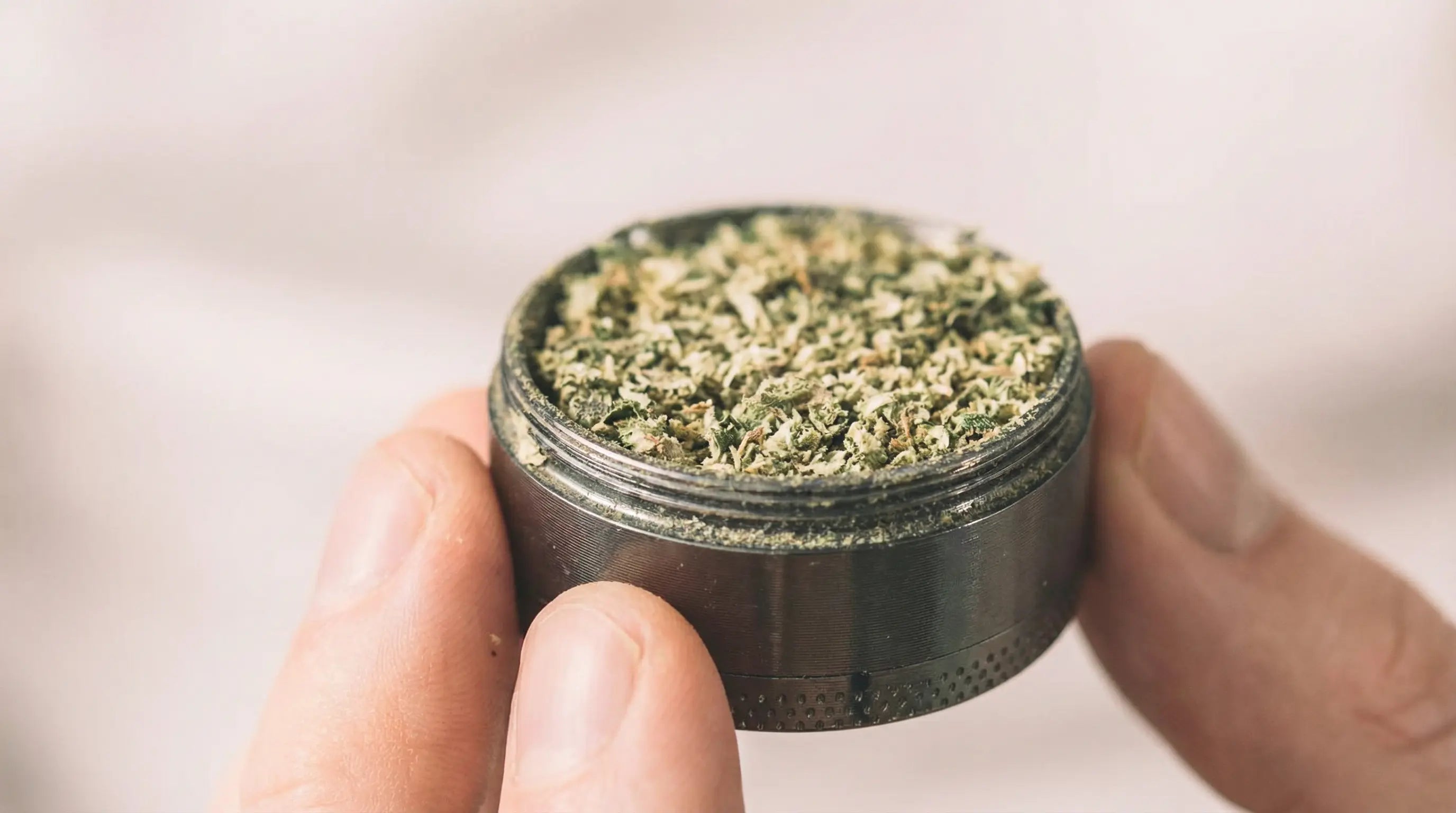
Do You Need a Grinder for Weed? Full Guide
Do you need a grinder for weed, or can you get by without one? The short answer: you don't absolutely need one, but using a grinder transforms your smoking experience in ways that make it tough to go back to breaking weed by hand. A grinder delivers consistent texture, preserves potency, and collects kief that would otherwise stick to your fingers. While you can smoke weed without grinding it, you'll waste cannabinoids, deal with uneven burns, and miss out on the full flavor profile your strain offers.
I spent my first year smoking without a grinder, tearing buds apart with my fingers before every session. My hands stayed sticky for hours, my joints burned unevenly, and I could never figure out why my friend's weed seemed stronger when we'd bought from the same batch. Then I tried a basic metal grinder one afternoon. The difference hit me immediately-smoother smoke, cleaner hands, and that golden kief collecting at the bottom that I'd been losing all along.
This guide covers everything about weed grinders: why they matter, what happens when you use one versus breaking by hand, the best alternatives when you don't have access to a grinder, and whether the investment makes sense for your smoking style.
Do You Need a Grinder for Weed? Understanding the Benefits
The question of whether you need a grinder for weed depends on how much you value consistency, efficiency, and flavor in your smoking experience. Grinders aren't mandatory, but they solve specific problems that hand-breaking creates.
Even Burn and Better Airflow
When you break weed by hand, pieces come out in different sizes. Some chunks stay large while others crumble into dust. This inconsistency creates hot spots in joints and bowls - some areas burn fast while others barely catch at all. You end up relighting constantly, wasting weed, and dealing with harsh smoke from the sections that overheat.
A grinder produces uniform pieces that burn at the same rate. Air flows evenly through ground weed, whether you're packing a bowl or rolling a joint. The consistent texture means your entire stash burns clean from start to finish.

I learned this the hard way during a camping trip last summer. Five of us sat around sharing joints I'd rolled with hand-torn weed. Every single one canoeed, burning down one side while the other stayed unlit. We wasted half our supply trying to keep things even. When my friend pulled out their Ludist Grinder, the next joint burned perfectly straight for ten minutes.

Same weed, different preparation, completely different result.
Kief Collection Changes Everything
Kief - those tiny crystal trichomes that hold concentrated cannabinoids, fall off your buds during handling. When you break weed by hand, that kief sticks to your fingers or gets lost in your workspace. A four-piece grinder catches it in a separate chamber, letting you collect what would otherwise disappear.
Over a few weeks of regular use, you'll accumulate enough kief to significantly boost a bowl's potency or add an extra kick to a special joint. That kief represents THC and terpenes you paid for but would normally lose.

The kief from my grinder saved a group smoke session last month when my stash ran low before payday. I'd collected about a gram over three weeks, which is enough to stretch my remaining bud through the weekend by sprinkling kief on top of smaller bowls.
Flavor and Aroma Preservation
Grinding weed right before you smoke it releases terpenes, the aromatic compounds that give each strain its unique smell and taste. These terpenes contribute to flavor and affect how different strains make you feel through what's called the entourage effect.
When you break weed with your fingers, skin oils transfer onto the buds, and trichomes stick to your hands instead of making it into your smoking device. A grinder keeps your weed clean while creating the ideal surface area for terpene release when you light up.
Efficiency and Time Savings
Breaking down sticky, dense buds by hand takes time. Your fingers get covered in resin, making it harder to handle papers or pack bowls. You can't break down large amounts at once without a sticky mess.
A grinder processes a few buds in seconds. Ten twists and you've got perfectly prepared weed ready for whatever consumption method you prefer. If you smoke daily, those seconds add up to hours saved over a year.
Why Do You Need a Grinder for Weed? Specific Consumption Methods
Different ways of consuming cannabis benefit from grinding in specific ways. Some methods require grinding more than others.
Do You Need a Grinder for a Joint?
You don't technically need a grinder to roll a joint, but you'll struggle without one. Joints demand fine, even consistency to roll properly and burn smoothly. Hand-broken weed creates lumps that poke through papers, make rolling difficult, and cause uneven burning.
Ground weed distributes evenly in the paper, rolls tight without tearing, and burns consistently from the first hit to the filter. The improved airflow means you don't have to pull as hard to get smoke, making for a smoother experience overall.
If you're new to rolling or want to improve your technique, our guide on grinding weed for joints covers everything from consistency to common mistakes.
Do You Need a Grinder for a Bong?
Grinders aren't essential for bongs, but they improve the experience. Bong bowls can handle slightly larger pieces than joints or vaporizers, so hand-breaking works better here than with other methods.
That said, ground weed still burns more evenly in bong bowls. You'll get bigger, smoother hits because air moves through the bowl uniformly. Unground chunks can block airflow or burn too quickly on the surface while staying green underneath.
I prefer grinding for bongs because it prevents those frustrating moments when you pull hard, the weed glows orange, but barely any smoke builds up in the chamber. Ground weed eliminates that issue.
Do You Need a Grinder for a Weed Pipe?
Pipes fall somewhere between bongs and joints. You can definitely smoke hand-broken weed in a pipe, as many people do. But ground weed packs more efficiently into smaller bowls and provides better airflow.
If you're using a one-hitter or any pipe with a tiny bowl, grinding becomes more important. Those small chambers need fine material to burn properly. Chunks that are too large won't stay lit or will pull through into your mouth.
For pipe smokers who want to understand the preparation process better, our guide on how to use a weed grinder breaks down the basics.
Vaporizers Require Grinding
If you use a dry herb vaporizer, grinding isn't optional - it's mandatory. Vaporizers heat weed to release cannabinoids without combustion. This process requires consistent, fine material for even heat distribution. Hand-broken chunks won't vaporize evenly, wasting your weed and delivering weak hits.
Most vaporizer manufacturers specify the grind consistency their devices need. Following that guidance ensures you get the full benefit of your vaporizer investment.
What Is a Grinder for Weed? Understanding Your Options
A weed grinder is a device designed to break down cannabis buds into smaller, uniform pieces. Most grinders feature sharp teeth that shred buds when you twist the two halves against each other.
Two-Piece Grinders
The simplest option. Two-piece grinders have teeth on both halves that interlock when closed. You load buds between the teeth, twist, and your ground weed stays in the same chamber.
Pros: Affordable, portable, simple to use
Cons: No kief collection, material can get stuck in teeth
Typical price range: $10-$20
Four-Piece Grinders
The most popular style among regular users. Four-piece grinders have a grinding chamber, a collection chamber below where ground weed falls through holes, and a bottom kief catcher with a fine screen that separates trichomes from plant material.
Pros: Collects kief, keeps ground weed separate from grinding teeth, better for larger amounts
Cons: More components to clean, slightly bigger, and less portable
Typical price range: $25-$60 for quality options
For a reliable option that balances performance and price, while including premium materials, check out the Ludist Grinder review to see how our four-piece grinder handles daily use.
Electric Grinders
Battery-powered grinders that do the work for you. Push a button and the device grinds your weed automatically.
Pros: No effort required, fast, good for people with hand mobility issues
Cons: Can over-grind weed into powder, battery needs charging, more expensive
Typical price range: $40-$120
If you're considering going electric, read our best electric weed grinder guide for detailed comparisons.
How Much Does a Grinder Cost? Budget Guide
The cost of weed grinders ranges dramatically based on materials, features, and brand reputation. Understanding what you get at each price point helps you make a smart purchase.
Budget Grinders: $10-$20
Basic plastic or acrylic grinders, simple two-piece wooden models, and entry-level metal grinders sit at this price point. They get the job done for occasional users but show wear quickly with daily use. Plastic teeth dull fast. Metal grinders in this range often use weaker alloys that can flake over time.
For someone who smokes a few times a month, a budget grinder works fine. Daily users should spend more for longevity and better durability.
Mid-Range Grinders: $25-$60
This sweet spot gives you quality four-piece aluminum grinders with sharp teeth, smooth threading, and kief catchers. You'll find reputable brands that will last for years with proper care. The aluminum stays sharp, the teeth don't break, and the threading continues to work smoothly even after hundreds of uses.
I've used the same $35 four-piece grinder for three years. Still grinds as smoothly as day one. Compare that to the $12 plastic grinder I started with, which barely lasted two months before the teeth wore down and the top cracked.
Our Ludist Grinder sits in this range at around $40, offering zinc alloy construction and a 200-micron screen that collects 2.5x more kief than standard grinders.

Premium Grinders: $70-$200+
High-end titanium or aerospace-grade aluminum grinders, luxury finishes, magnetic closures instead of threads, innovative tooth patterns, and extra-large sizes occupy this tier. Some feature interchangeable grinding plates for different consistencies.
These grinders represent long-term investments for serious enthusiasts. They grind smoother, last longer, and often come with lifetime warranties. But most users don't need to spend this much to get excellent performance.
For detailed price breakdowns, visit how much is a weed grinder for a complete cost analysis.
How to Grind Weed Without a Grinder: Practical Alternatives
Not having a grinder doesn't mean you can't prepare your weed properly. Several household items work as alternatives when you're in a pinch.
Breaking Weed by Hand
Your fingers remain the most accessible tool. This method works best for smaller amounts and drier buds.
Pull buds apart slowly, letting the structure guide where pieces separate naturally. Fresh, sticky weed will gum up your fingers quickly, while properly cured bud breaks apart more cleanly.
Pros: Always available, gives you direct control, quiet
Cons: Sticky fingers, inconsistent pieces, wastes kief on your skin, time-consuming
For proper technique and tips, read how to grind weed by hand to learn the best approach.
Scissors and a Shot Glass
Place your buds in a shot glass and snip them with sharp scissors. Keep cutting until you reach your desired consistency. This method gives you more control over texture than most alternatives.

Pros: Creates relatively even pieces, easy to do, works with sticky weed
Cons: Scissors get sticky and hard to clean, time-intensive for larger amounts, requires cleaning afterward
Coffee Grinder Method
Coffee grinders work but come with serious drawbacks. They grind too finely if you're not careful, turning your weed into powder. The sticky resin is nearly impossible to fully clean out, potentially ruining your coffee grinder for its intended purpose.
Pros: Handles large amounts quickly, requires minimal effort
Cons: Over-grinds easily, extremely difficult to clean, resin sticks to everything, ruins the grinder for coffee
If you're considering this option, check whether you can use a coffee grinder for weed before potentially destroying a kitchen appliance.
Pill Bottle and Coin Method
Drop a clean coin and your weed into a pill bottle, close the lid, and shake vigorously. The coin helps break up the buds as everything rattles around inside.
Pros: Simple, no tools required beyond what you probably have, fairly quick
Cons: Very inconsistent results, can create too much powder, requires strong shaking
Cheese Grater
Rub dried buds against the smallest holes on a cheese grater over a piece of paper or tray. This creates fine, consistent material but feels awkward and wastes some weed.
Pros: Creates fine grind, works with most buds
Cons: Awkward to use, messy, sticky resin is difficult to remove from the grater, wastes material that sticks to the grater
After trying methods like this a few times, most people realize why grinders versus hand-breaking is even a debate - the convenience factor alone makes a real grinder worth considering.
Pros and Cons of Grinding Weed: What You Need to Know
Understanding both sides helps you make informed decisions about how you prepare your cannabis.
Advantages of Grinding Weed
-
Consistent burn quality - Every part of your bowl or joint burns evenly, eliminating waste and harsh hot spots
-
Better flavor - Properly ground weed releases terpenes more effectively, giving you the full taste your strain offers
-
Kief collection - Four-piece grinders save the potent trichomes that would otherwise stick to your hands
-
Improved efficiency - You use less weed to achieve the same effects because it burns completely and evenly
-
Cleaner hands - No sticky resin covering your fingers after breaking down buds
-
Faster preparation - A few twists beat minutes of hand-breaking every single session
Disadvantages of Grinding Weed
-
Initial cost - Quality grinders require upfront investment ($25-$60 for a solid four-piece model)
-
Cleaning required - Grinders accumulate sticky buildup that needs regular maintenance
-
Portability - Larger four-piece grinders take up more pocket space than just carrying a small amount of bud
-
Over-grinding risk - Too much grinding can create powder that burns too quickly or pulls through bowls
-
Faster drying - Ground weed has more surface area exposed to air, so it dries faster if not stored properly
The pros outweigh the cons significantly, but at the end of the day, everyone has their own rolling and smoking rituals. Some people love their grinder to death, while some people like to do it the old-fashioned way.
Is Pre-Ground Weed Less Potent? Storage Considerations
Pre-grinding weed does affect potency over time, but not as dramatically as many people think. The real issue comes down to storage, not the grinding itself.
How Grinding Affects Potency
When you grind weed, you break open trichomes and increase the surface area exposed to air, light, and heat - the three main factors that degrade cannabinoids. Fresh-ground weed maintains full potency. But if you grind a large amount and leave it sitting, degradation happens faster than with whole buds.
Grinding a week's worth of weed on Sunday might seem efficient, but by Friday, that pre-ground material will have lost some potency and most of its flavor. The terpenes that give weed its smell evaporate first, followed by gradual THC degradation to CBN.
Storage Solutions for Pre-Ground Weed
If you do need to pre-grind for convenience, proper storage minimizes potency loss. An airtight container kept in a cool, dark place slows degradation significantly.
Our stash jar creates an airtight seal that protects ground weed from exposure.

Combined with storage in a cabinet away from light and heat, pre-ground weed stays relatively fresh for 3-5 days.
For longer-term storage tips, read how to keep weed fresh for comprehensive preservation strategies.
Best Practice
Grind only what you need for immediate use or for the next day or two. This approach maximizes potency and flavor while still providing some convenience. I keep my daily amount ground and ready in a small container, preparing fresh batches every evening for the next day.
Can I Leave Weed in My Grinder? Short-Term Storage
Leaving weed in your grinder for a few hours or even a day won't cause problems. But using your grinder as long-term storage degrades quality and makes the grinder harder to use.
Short-Term Storage (1-2 Days)
Keeping ground weed in your grinder's collection chamber for a day or two works fine if the grinder stays closed. The seal isn't perfect, so some terpenes will escape, but you won't notice major potency loss.
I often grind enough for an evening, leaving what I don't use in the grinder until the next day. Never had issues with that approach.
Long-Term Storage (3+ Days)
After a few days, problems emerge. The weed dries out from air exposure. Resin starts sticking to the grinder walls and teeth, making future grinding more difficult. The flavor degrades noticeably as terpenes evaporate.
Cleaning Complications
Weed left in grinders contributes to faster buildup of sticky residue. When you grind fresh, moist buds on top of dried material, everything mixes and creates a gummy mess that's harder to clean.
For detailed information about grinder storage, visit our page that covers whether you can leave weed in your grinder for complete guidance.
Transfer ground weed to a proper storage container like our Ludist Stash Box if you're not using it within a day.

The organization compartments keep your ground weed separate from your grinder and other accessories.
Grinder vs Hands: Which Method Works Better?
The grinding versus hand-breaking debate depends on your smoking style, the consumption method you prefer, and how much you value consistency.
When Grinding Wins
Rolling joints or blunts - Grinding isn't optional here. You need consistent, fine material to roll properly.
Using vaporizers - Vaporizers demand evenly ground material. Hand-broken chunks won't vaporize efficiently.
Daily smoking - If you smoke multiple times per day, the time and efficiency savings add up significantly.
Sharing sessions - Ground weed burns more evenly in rotation, so everyone gets consistent hits.
Kief collection - Only a grinder captures those valuable trichomes systematically.
When Hand-Breaking Works
Packing blunts - Some people prefer slightly larger pieces mixed with finer material for better airflow in fat blunts.
Occasional use - If you smoke once or twice a month, investing in a grinder and maintaining it might not make sense, especially if you live in areas where cannabis is illegal.
Very small amounts - Breaking apart a single tiny bud for one small bowl can be faster by hand.
Traveling light - When you're on the go with nothing but your weed and a pipe, hands work in a pinch.
The reality is that both methods have their place. Hand-breaking works fine for casual sessions and specific situations, but once you're smoking regularly or rolling joints, the convenience and consistency of a grinder become hard to ignore.

The Middle Ground
Many experienced users combine both methods. They use a grinder for joints and daily sessions, but occasionally hand-break buds for quick solo bowls or when they want to fully appreciate a new strain's structure and trichome coverage before grinding.
Choosing the Right Grinder: Material and Design Considerations
Not all grinders perform equally. The material, tooth design, and build quality dramatically affect how well a grinder works and how long it lasts.
Aluminum Grinders
Most popular choice for good reason. Aircraft-grade aluminum provides strength without excessive weight. Anodized aluminum resists sticking and cleans easily. Quality aluminum grinders last for years of daily use.
The teeth stay sharp, the threading continues working smoothly, and the material doesn't degrade or flake into your weed. For safety information, check whether aluminum grinders are safe to understand what to look for.
Zinc Alloy Grinders
Heavier than aluminum but more affordable while maintaining good durability. Zinc alloy grounds efficiently and resists wear. The extra weight actually helps during grinding - the grinder wants to turn, requiring less effort from you.
Our Ludist Grinder uses zinc alloy construction for this reason. The material performs exceptionally well without reaching premium pricing.
Stainless Steel Grinders
The most durable option, but also the most expensive. Stainless steel won't corrode, never wears down, and maintains perfect threading for decades. Overkill for most users, but if you want a grinder that will outlive you, stainless steel delivers.
Wooden Grinders
Natural aesthetic appeal and unique grain patterns make wooden grinders attractive. But the teeth, usually just metal pegs pressed into wood, don't grind as efficiently as machined diamond-shaped teeth in metal grinders. Wood also absorbs moisture and oils, making cleaning difficult.
Plastic/Acrylic Grinders
Cheapest option but least durable. Plastic teeth dull quickly, the material can crack from normal use, and you're more likely to find plastic particles mixing with your ground weed as the grinder wears. Fine for testing whether you like using a grinder before investing in quality, but not for long-term use.
Tooth Design Matters
Diamond-shaped teeth positioned in a specific pattern grind most efficiently. The teeth should be sharp, numerous enough to catch material, and positioned to create a scissors-like shearing action. Cheap grinders often have dull, poorly positioned teeth that crush rather than cut.
For comprehensive grinder options, check out the types of weed grinders to understand all available designs.
Maintaining Your Grinder: Cleaning and Care
Even the best grinder needs maintenance. Sticky resin accumulates on teeth, in threads, and on screens, eventually making your grinder difficult to twist and less effective at grinding.
When to Clean Your Grinder
You'll know it's time when:
-
The grinder becomes hard to twist
-
Ground weed isn't falling through holes easily
-
The kief screen appears clogged
-
You see visible buildup on teeth or walls
I clean my grinder every 2-3 weeks with daily use. Less frequent users might go months between cleanings.
Quick Clean Method
For a fast refresh:
-
Empty all chambers completely
-
Use a stiff brush (an old toothbrush works great) to knock loose material off teeth, screens, and walls
-
Wipe threads with a paper towel
-
Tap the grinder firmly to dislodge stuck particles
This takes five minutes and improves performance immediately.
Deep Clean Method
For stuck-on buildup:
-
Disassemble all pieces
-
Place in a ziplock bag with isopropyl alcohol (90%+ works best)
-
Add coarse salt as an abrasive
-
Shake the bag vigorously for 2-3 minutes
-
Let soak 20-30 minutes for heavy buildup
-
Rinse thoroughly with hot water
-
Dry completely before reassembling
The alcohol dissolves resin while salt scrubs surfaces clean. Your grinder will look and feel new.
For detailed cleaning instructions, visit how to clean a weed grinder for a complete guide.
Preventing Buildup
-
Don't over-pack the grinding chamber
-
Grind slightly drier weed when possible (very fresh, sticky buds create more residue)
-
Store your grinder empty when not in use
-
Brush out chambers after big grinding sessions
Where Can I Get a Grinder for Weed? Shopping Options
Grinders are legal to purchase and widely available both online and in physical stores.
Online Options
Shopping online gives you the widest selection and best prices. You can compare features, read reviews, and often find better deals than in physical stores. Shipping is usually fast and discreet.
Buying directly from manufacturers like MeetLudist ensures you get authentic products with warranties. Third-party marketplaces can have quality issues with knockoff grinders that look good in photos but perform poorly.
Local Head Shops
Smoke shops let you see and handle grinders before buying. You can feel the weight, check how smoothly it grinds, and examine the build quality. Staff can usually answer questions about different models.
Prices run higher than online, but you take your grinder home immediately. Good option when you need one right away or want to support local businesses.
Dispensaries
Many dispensaries sell grinders alongside other accessories. Selection tends to be limited compared to dedicated smoke shops, and prices are typically marked up. But the convenience of one-stop shopping appeals to some buyers.
Gas Stations and Convenience Stores
You'll find cheap grinders at gas stations, but quality is usually poor. These work in an emergency, but don't expect them to last or perform well. The few dollars you save aren't worth the frustration of a grinder that barely works.
For buying guidance, check where you can buy a weed grinder for detailed recommendations.
Are Grinders Illegal? Legal Status and Regulations
Grinders themselves are legal to purchase, possess, and use in all U.S. states and most countries. They're sold as tools for grinding herbs and spices for cooking, even though everyone knows their real purpose.
Legal Status
Drug paraphernalia laws focus on items used to consume illegal drugs, not preparation tools. Grinders fall into a gray area where they're technically herb grinders with legitimate culinary uses. As long as they're clean and unused, they're legal everywhere.
Once a grinder contains cannabis residue, it technically becomes paraphernalia in states where cannabis is illegal. But enforcement rarely targets grinders - police focus on actual drugs and consumption tools like pipes and bongs.
Age Restrictions
Most retailers require you to be 18 or 21+ to purchase grinders, even though the grinders themselves aren't age-restricted items. This policy comes from tobacco and cannabis accessory store regulations, not grinder-specific laws.
Flying with Grinders
You can fly with a clean grinder in carry-on or checked bags. TSA doesn't prohibit grinders. But any residue can create problems, so clean yours thoroughly before air travel.
Never travel with a grinder that contains weed or shows obvious residue. That creates legal issues regardless of whether grinders themselves are legal.
Building Your Complete Cannabis Setup
A grinder represents just one component of a well-organized cannabis kit. Combining it with proper storage keeps everything fresh, accessible, and discreet.
Essential Accessories
Beyond your grinder, you'll want:
-
Airtight storage for your flower
-
A clean rolling surface
-
Proper containers for ground weed
-
Tools for cleaning and maintenance
Our rolling tray provides a dedicated surface for grinding and rolling, with edges that contain any spills. The smooth surface makes collecting ground weed easy and keeps your workspace clean.
Storage Integration
A Ludist Stash Box organizes your entire setup in one place. The compartments hold your grinder, papers, lighters, and flower while keeping everything smell-proof and secure. No more hunting for your grinder or dealing with loose accessories scattered around.
I spent years dealing with my grinding setup spread across different drawers and pockets. Got a stash box last year, and the difference in convenience shocked me. Everything I need sits in one spot, organized and ready to use.
Creating Your Routine
Developing a consistent preparation routine makes every session better. When all your tools are organized and easily accessible, you spend less time searching for supplies and more time actually enjoying your weed.
Keep your grinder clean, store your flower properly, and maintain your accessories. These small habits dramatically improve your overall cannabis experience.
Your Next Steps: Making the Right Grinder Decision
Do you need a grinder for weed? Not technically. But after using one consistently, going back to hand-breaking feels like downgrading to a flip phone after using a smartphone. The difference in quality, convenience, and efficiency makes grinders essential for anyone who smokes regularly.
If you smoke multiple times per week, invest in a quality four-piece grinder. The improved experience and kief collection pay for the grinder within a few months. Occasional users can get by with a cheaper two-piece model or hand-breaking when necessary.
The Ludist Grinder offers an excellent entry point at $39, with zinc alloy construction, sharp diamond-cut teeth, and a kief screen that collects significantly more than standard grinders. It's the grinder I recommend to friends asking what to buy, and the same one I use daily.
Start with a grinder that fits your budget and usage level. Pay attention to how it changes your smoking experience. Most people never go back once they experience the difference.

Leave a comment
This site is protected by hCaptcha and the hCaptcha Privacy Policy and Terms of Service apply.