
How to Clean a Weed Bowl - Every Method for Every Material
Knowing how to clean a weed bowl is one of those things nobody teaches you, and most people figure out too late. Resin builds up fast. Within a few sessions, the bowl that once tasted clean starts tasting like an ashtray, airflow tightens up, and every hit gets harsher. I've cleaned hundreds of pipes and bowls over the years, for myself and for friends who hand me a blackened glass spoon and ask what to do. The answer depends on what the bowl is made of and what you have in the house. This guide covers every effective method, every material type, common mistakes that crack glass or ruin wood, and how to keep things cleaner between deep cleans. No special products required.
How to Clean a Weed Bowl - The Standard Alcohol and Salt Method
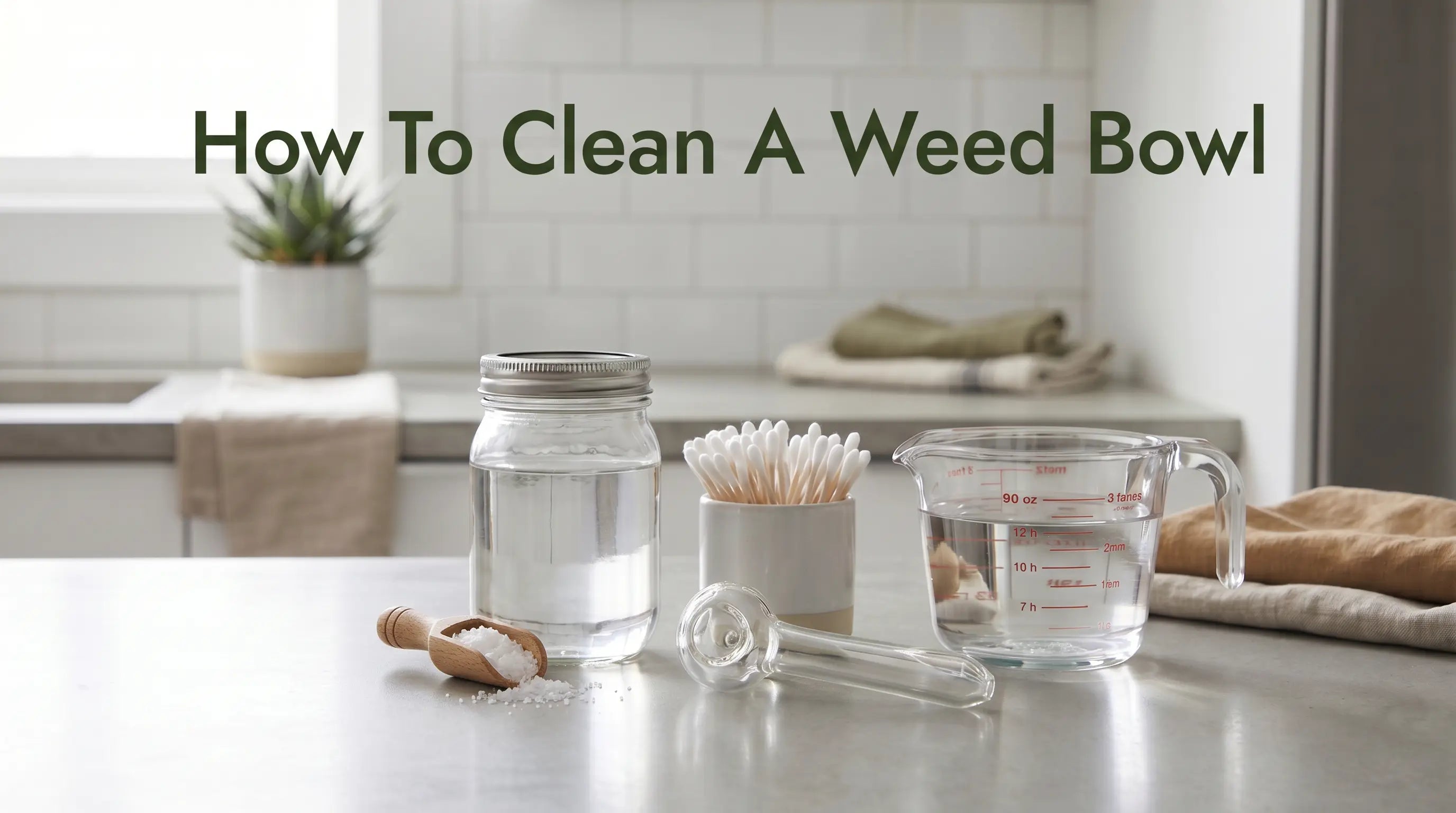
The most reliable way to clean a weed bowl is isopropyl alcohol and coarse salt. This combination works on glass, metal, and ceramic and handles everything from light daily residue to resin that has been baking in for weeks.
Here is why it works. Isopropyl alcohol at 91% concentration or higher dissolves the fatty, oil-based compounds in cannabis resin. Higher concentration means more solvent molecules and less water, so it cuts through buildup faster. Coarse salt (kosher salt, sea salt, or Epsom salt) does not dissolve in alcohol, so it stays gritty and acts as an abrasive, scrubbing interior surfaces where a brush cannot reach.
Step-by-step:
-
Let the bowl cool completely before touching it.
-
Tap out loose ash over a trash can or your Ludist Rolling Tray to keep the surface clean.
-
Place the bowl in a resealable zip-top bag or an airtight container.
-
Fill with 91% or higher isopropyl alcohol until the piece is fully submerged.
-
Add 1 tablespoon of coarse salt per cup of alcohol.
-
Seal the bag and shake vigorously for 3 to 5 minutes.
-
Soak for 30 minutes for regular buildup, or overnight (up to 12 hours) for heavy resin.
-
Use a pipe cleaner, cotton swab, or toothpick to scrub any remaining spots.
-
Rinse thoroughly with warm water, then do a final rinse with distilled water to prevent mineral deposits from tap water.
-
Air dry completely before the next use.
A common mistake here is reaching for 70% isopropyl because it is the one most pharmacies stock in bulk. The 70% formula is designed for surface disinfection, where the extra water content slows evaporation and extends contact time with bacteria. For dissolving resin, it underperforms. Get 91% or 99% for bowl cleaning.
For very light maintenance between deep cleans, a hot water rinse immediately after each session flushes loose ash before it hardens. That one habit alone cuts your deep-clean frequency significantly.
How to Clean a Weed Bowl Without Alcohol - Vinegar and Baking Soda
If you want to know how to clean a weed bowl without alcohol, white vinegar and baking soda is the most practical household alternative. It is slower than isopropyl alcohol and will not cut through heavy resin in a single pass, but it is safe for all hard materials, including glass, metal, and ceramic, costs almost nothing, and works well for moderate buildup.
The chemistry: White vinegar is a mild acid (acetic acid) that loosens resin and neutralizes odors. Baking soda is a mild base and abrasive that softens deposits. When combined, they produce carbon dioxide gas, which creates agitation inside the pipe that physically dislodges buildup.
Step-by-step:
-
Place the bowl in a sealable bag or container.
-
Shake in a generous amount of baking soda to coat the interior.
-
Pour in white vinegar. It will fizz immediately.
-
Seal and let it sit for at least 30 minutes.
-
Shake gently to agitate.
-
Scrub remaining spots with a soft brush or pipe cleaner.
-
Rinse thoroughly with warm water and air dry.
You can also use white vinegar with coarse salt as a direct substitute for the alcohol-and-salt method: same bag, same shake, same soak. It works on the same principle, just without the resin-dissolving power of IPA. For light-to-moderate buildup, it gets the job done.
Other alcohol-free options worth knowing about: lemon juice with salt, denture tablets dissolved in warm water, and hot water with Epsom salt. These all fall in the same effectiveness range as vinegar methods. None of them will match 91% IPA on heavy resin, but for regular maintenance cleans, they are genuinely useful.
If you want a deeper look at similar maintenance habits for your other gear, our guide on how to clean a weed grinder covers the same logic applied to grinders.

How to Clean a Glass Weed Bowl - Boiling Water Method and Safety Rules
Boiling water comes up constantly as a method for how to clean a glass weed bowl, and it can work, but it carries a real risk that almost nobody explains properly.
The risk is thermal shock. Glass expands when heated. When a cold glass bowl is dropped into boiling water, the outer surface expands rapidly while the interior is still cold. That stress differential causes cracks or outright shattering. I have seen this happen firsthand, and the result is not a cracked bowl you can still use. It is shards in a pot of scalding water.
The safe technique:
-
Place the bowl into a pot of room-temperature or lukewarm water (not boiling water).
-
Heat the pot gradually to a gentle simmer, not a rolling boil.
-
Let the piece simmer for 15 to 20 minutes.
-
Turn off the heat and allow the water and pipe to cool together.
-
Once cooled, use tongs to remove the piece and wipe away softened residue.
The key is that the glass and water rise in temperature together, which prevents the differential expansion that causes cracking. Borosilicate glass (used in quality pipes and bongs) handles this process better than thin, cheap glass. If you do not know what your piece is made of, treat it as fragile.
Boiling water alone will not cut heavy resin. Dissolved residue still needs to be wiped away after the piece cools. Think of it as a softening step before mechanical scrubbing, not a complete clean on its own.
For extra efficiency before a soak, some people briefly microwave a small glass piece for 30 seconds. This thins the resin oils and improves cleaning efficiency. Only do this with pieces that have no metal components and are small enough to fit comfortably. Never microwave a piece you are not sure about.
If you are curious about what other cannabis consumption tools are worth keeping clean, our overview of cannabis consumption tools covers the full range of options.

How to Clean a Silicone Weed Bowl - Boiling and Freezer Methods
Silicone is forgiving to clean compared to glass. It is food-safe, heat-resistant, and flexible enough that frozen resin can literally be knocked out of it. But there is one common mistake that damages it over time: prolonged alcohol soaking.
Silicone has microscopic air pockets in its structure. These give it flexibility. Extended soaking in isopropyl alcohol degrades those pockets over time, making the material stiff and eventually brittle. Brief contact with a cotton swab dipped in IPA is fine for spot-cleaning. Soaking for hours is not.
Boiling method (recommended for deep cleans):
-
Hand-wash first with warm soapy water to remove surface residue.
-
Place in a pot and cover completely with water.
-
Bring to a boil and continue boiling for at least 10 minutes.
-
Remove carefully (it will be hot) and scrub remaining residue with a soft brush.
-
Rinse with warm water and dry completely.
Silicone tolerates extreme heat without structural damage, which makes boiling the cleanest and safest deep-clean method for this material.
Freezer method (no solvents, fast):
-
Rinse the bowl with water to moisten any residue.
-
Place in a freezer-safe bag and put in the freezer for 30 to 60 minutes.
-
Remove and immediately tap the piece firmly on a hard surface.
-
The frozen resin becomes brittle and shatters out.
-
Rinse and dry completely.
The freezer method also works for rubber bowls. Resin that is stubborn and sticky at room temperature turns glass-like at freezer temperatures and comes out cleanly without any solvents at all.
If your silicone piece is food-grade silicone (check the manufacturer's specs), it is often dishwasher safe on the top rack. That is the laziest and most effective option when available.
For a guide on how to use a grinder to prepare your herb consistently before packing a bowl, see our post on how to use a weed grinder.

How to Clean a Wooden Bowl Weed Pipe - Dry Method Only
Wooden pipes require a completely different approach, and using the wrong method will ruin them. The rules for how to clean a wooden bowl weed pipe are simple but strict.
Never soak a wooden pipe in water or alcohol. Moisture causes wood to absorb, swell, and warp. The stem can crack. Joints separate. A pipe that took months to season correctly can be ruined in one cleaning session by leaving it in a liquid bath.
There is also something specific to wooden bowl pipes that most guides skip: the char layer. When you smoke through a wooden bowl, the interior develops a thin layer of carbonized material. This char acts as a natural heat buffer between the flame and the raw wood. It should not be fully removed. The goal when cleaning a wooden pipe is to remove excess buildup while maintaining a thin, even char layer.
Correct wooden pipe cleaning process:
-
Let the bowl cool completely.
-
Tap and gently shake out ash, blow through the mouthpiece.
-
Use a pipe pick or scraper to carefully scrape the bowl interior, removing only excess buildup, not the char layer itself.
-
Run a dry pipe cleaner through the stem to pull out loose residue.
-
Follow with a pipe cleaner lightly dampened (not soaked) with IPA through the stem only.
-
Wipe the exterior with a cloth slightly dampened with a diluted water-and-alcohol solution.
-
Allow to dry fully in open air.
-
Optionally condition the exterior with mineral oil or beeswax to protect the wood.
The stem can handle minimal, targeted IPA on a pipe cleaner. What it cannot handle is immersion, prolonged contact, or any soaking. One source we consulted approves light IPA use on pipe cleaners for stems, others say avoid alcohol on wood entirely and stick to vinegar or water only. The conservative and safer position is: minimal, targeted, and only on the stem, never the bowl chamber.
If you are looking at grinder options to pair with your pipe setup, our grinder comparison guide covers what separates budget from premium options.
How to Clean a Weed Bowl Fast - Quick Methods for Urgent Situations
Sometimes you need to know how to clean a weed bowl fast. Friends are coming over in 20 minutes, the bowl is caked, and you do not have time for a 30-minute soak. There are two approaches depending on how much time you have.
Under 5 minutes (between-session maintenance):
-
Immediately after a session, rinse under hot running water for 30 to 60 seconds.
-
Use a cotton swab dipped in IPA to wipe out the bowl chamber while it is still warm.
-
Run a pipe cleaner through the stem.
-
Let air dry before next use.
This is not a deep clean. It is a maintenance step that prevents heavy buildup from forming in the first place. The habit of doing a quick hot-water rinse right after a session makes everything easier long-term.
10 to 15 minutes (light to moderate buildup):
-
Place the bowl in a bag with 91% IPA and a tablespoon of coarse salt.
-
Shake vigorously for 3 to 5 minutes.
-
Let soak for 10 minutes.
-
Scrub with a pipe cleaner or cotton swab.
-
Rinse with warm water, then distilled water.
-
Pat dry with a paper towel and let air-dry the remaining moisture.
For light buildup, 10 to 15 minutes of soak time with vigorous shaking is often enough to get a bowl clean enough to use. For heavy buildup baked in over weeks, there is no fast method that will do the job fully. Overnight soaking is the only thing that reliably breaks down thick resin.
One product approach worth mentioning: commercial dedicated cleaners like Formula 420 or Grunge Off are reusable and non-abrasive. They dissolve resin without salt or shaking and do not require rinsing with distilled water afterward. They cost more upfront but work faster for routine maintenance. Not mandatory by any means, but worth knowing about if you want a simpler routine.
If you are thinking about upgrading your whole setup, our post on the types of weed grinders explains the differences between 2-piece, 4-piece, and electric options.

How to Clean a Weed Bowl with Hydrogen Peroxide
Hydrogen peroxide is the cleaning agent most people overlook, and it has a specific use case where it genuinely excels: sanitation. For killing bacteria and pathogens in a bowl, 3% hydrogen peroxide (the standard concentration from any pharmacy) is highly effective. A 2023 laboratory study found it killed 99.9% of common water-pipe bacteria within 10 minutes at room temperature.
For resin removal, it is less powerful than IPA. Research shows 88% visible resin removal after one 30-minute soak, and 99% after two consecutive cycles. That is functional for moderate buildup, but heavy resin will still require mechanical scrubbing after soaking.
How to use it:
-
Place the bowl in a sealable container and submerge in 3% hydrogen peroxide.
-
Let soak for 30 minutes for light-to-moderate buildup.
-
For a second cycle, drain, refill with fresh peroxide, and soak another 30 minutes.
-
Scrub remaining spots with a pipe cleaner or cotton swab.
-
Rinse thoroughly with warm water.
One specific caution: do not use hydrogen peroxide on colored or painted glass. It can fade or discolor decorative finishes. On clear glass, ceramic, and metal, it is safe.
The best use case for hydrogen peroxide is combining it with another method. Use IPA-and-salt to handle the resin, then do a 10-minute hydrogen peroxide soak to kill any bacteria the alcohol missed. That combination gives you both a clean and a sanitized piece.
If you want to see our top pick for a grinder that is easy to clean and produces consistent results, our Ludist Grinder review covers everything you need to know.
Why Regular Cleaning Actually Matters - Health Risks of a Dirty Bowl
Most people think a dirty bowl is just a taste problem. It is not.
A dirty bong can harbor over 58,000 times more bacteria than a toilet seat. Even vapes, the cleanest cannabis consumption device, contain nearly 400 times the bacteria of a toilet seat handle. Bowls and pipes sit in a similar range of contamination when not cleaned regularly.
The organisms found in unclean pipes include Pseudomonas aeruginosa, E. coli, Streptococcus, Flavobacterium, hepatitis A, mycotoxins, and black mold. Biofilm (the matrix bacteria form on wet surfaces) begins accumulating within 30 minutes and becomes visibly established within 24 hours.
This is not theoretical. A 2017 peer-reviewed case study documented a 23-year-old daily cannabis user who developed necrotizing pneumonia caused by Pseudomonas aeruginosa cultured directly from his bong. After 42 days of IV antibiotics, his long-term lung function tested at 59% of predicted capacity. Cannabis smoke itself compounds the risk because it is immunosuppressive, reducing the ciliated cells that clear mucus and pathogens from the airway.
The cleaning frequency consensus from multiple sources: every 3 to 5 sessions for casual users, weekly deep clean for daily users, and fresh water after every single session for water pipes. That last one matters because biofilm formation starts within 30 minutes of water sitting in a pipe.
If you are also storing your cannabis in a way that keeps it at the right humidity and protects terpenes, the same attention to cleanliness applies to your storage. The Ludist Stash Jar uses a borosilicate glass body with UV protection and an airtight aluminum cap, which prevents moisture and contaminants from getting into your stash between sessions.

What Never to Use on Any Bowl - Cleaning Mistakes That Cause Real Damage
Some cleaning methods that sound reasonable will either damage your bowl or leave toxic residues behind.
Never use:
-
Acetone (nail polish remover) - Weakens glass, leaves residues dangerous to inhale, degrades silicone and rubber.
-
Bleach - Leaves chemical residue that is toxic when heated. Not appropriate for any pipe material.
-
Ammonia - Same problem as bleach, plus it is corrosive to certain metals and damaging to seals.
-
Steel wool or wire brushes on glass - Creates micro-scratches that become collection points for more resin and bacteria over time. Worsens the problem long-term.
-
Rough abrasive sponges on glass - Same issue as steel wool.
-
Boiling water on cold glass - Thermal shock risk. Always start glass in room-temperature water.
-
Alcohol soaking on silicone - Prolonged soaking degrades the material's structure.
-
Any liquid soaking on wood - Warps, swells, and cracks the material.
The pattern across all these is that aggressive cleaning agents either attack the material or leave residue that heats up and becomes something you inhale. Stick to IPA, salt, vinegar, baking soda, hydrogen peroxide, boiling water (correctly applied), or dedicated commercial cleaners. Everything on that list is genuinely safe for its indicated material.
For context on why your grinder also benefits from the same regular maintenance mindset, see our guide on whether you actually need a grinder for weed and how gear quality affects the session.
How to Keep Your Bowl Cleaner, Longer - Maintenance Habits
The real secret to easy bowl cleaning is not finding a better deep-clean method. It is making each deep clean unnecessary for as long as possible.
Three habits that make the biggest difference:
1. Rinse immediately after every session. Resin is significantly easier to remove when it is warm and fresh. A 30-second hot water rinse right after a session prevents ash from hardening inside the bowl. It takes almost no time and dramatically reduces how often you need a full clean.
2. Change bong water after every session. Biofilm starts forming within 30 minutes on wet surfaces. Old bong water is the fastest way to contaminate your piece between cleans.
3. Use a pipe screen. A metal or glass screen at the bottom of the bowl prevents ash and plant material from being pulled through into the stem. Less debris in the stem means less resin buildup throughout the piece, and shorter cleaning sessions when you do need to clean.
For the actual cleaning session, having a designated spot where you can work without making a mess helps. A rolling tray keeps ash and debris off your table when you are tapping out a bowl. If you want something that doubles as a clean work surface and comes with smell-proof storage built in, the Ludist Stash Box has a lid that functions as a rolling tray, with an airtight interior that keeps everything organized. It is a practical setup for anyone who keeps multiple pieces and accessories in the same spot.
One more habit: if you are seeing white mineral spots on glass after cleaning, switch your final rinse from tap water to distilled water. Tap water leaves mineral deposits that dull the glass over time.
Your Bowl Is Clean - Now Keep Everything Else in Shape
Cleaning your bowl is part of a broader maintenance routine. A clean pipe paired with well-ground herb produces noticeably better sessions. Uneven, chunky pieces restrict airflow and burn unevenly, which forces you to pull harder and compensates for the buildup you just cleaned out.
If you do not already grind consistently before packing, consider what a quality grinder does for airflow and consistency. For daily users, the Ludist Grinder is a 4-section precision-machined anodized aluminum grinder with a kief catcher and a non-stick surface that cleans in the same time as a bowl. It comes with a pick and brush included, which makes it one of the easiest grinders in this category to maintain. Paired with a clean bowl, the difference in flavor and efficiency is immediate.
Our guide on the best weed grinder covers what to look for if you are shopping, including how different materials perform across price points.


Leave a comment
This site is protected by hCaptcha and the hCaptcha Privacy Policy and Terms of Service apply.